professional development workshops

PD for rebbeim, morahs, melamdim & teachers

•⁠ Put a TRAINED teacher in EVERY classroom
•⁠ ⁠Help "weaker" students achieve their potential
•⁠ ⁠Empower experienced mechanchim to reach a higher level
• For live in-person programs, click here
“Your suggestions for using visuals improved engagement of struggling talmidim.”

5th Grade rebbe
“What you taught us about lesson planning makes all the difference.”

HS Language Arts teacher
“I’ve gained from your expertise, sensitivity, and positivity.”

4th Grade rebbe
“The JTI training and mentoring has dramatically improved my effectiveness.”

HS Science teacher
“Your Gemara method helped me reach that boy. He’s a completely different talmid.”

9th Grade rebbe
"Those two pieces of feedback were helpful and I can see the impact.”

MS morah with 20 years’ experience
"I really enjoyed the workshop and found it one of the most valuable of the week.”

Tutor with 15 years' experience
"I use your clipboard technique every day, it’s amazing.”

12th Grade ELA teacher
"It brought me 'down to earth' and had me realize I am woefully unprepared and need to really start working hard and put my foot to the gas!”

HS History teacher
Qualifies for Title II funding

What do we teach?

Jewish Teachers Institute trains and supports Day School teachers in ten areas:

Professional development workshops on the art of teaching:

1

Classroom management

Learn techniques to create a more efficient and productive learning environment.
Build positive teacher student relationships to encourage engagement and learning.
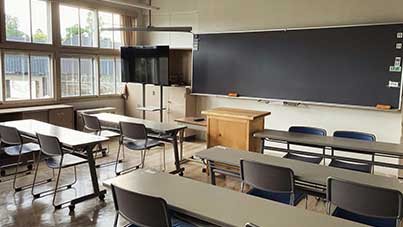
1
Classroom management
2

The science of lesson planning

Learn how to carefully craft a lesson roadmap to ensure effective and organized instruction.
A lesson plan typically includes the learning objectives for students, the materials needed, a sequence of activities to facilitate learning, methods for assessing student understanding, and often notes for reflection or future adjustments.

2
The science of lesson planning
3

Student assessment

The purpose of student assessment is to understand what students already know and where they might need further support. This information can then be used to help the teacher to provide better feedback to students, or make decisions about their academic progress.

3
Student assessment
4

Parent engagement

Parent engagement in education is fundamental for a child's success, engaged parents often contribute to higher student achievements, better behavior and improved attendance.


4
Parent engagement

How to get started?

Navigate the variety of online lessons and achieve your learning objectives

Create your account

Browse relevant videos

Start learning